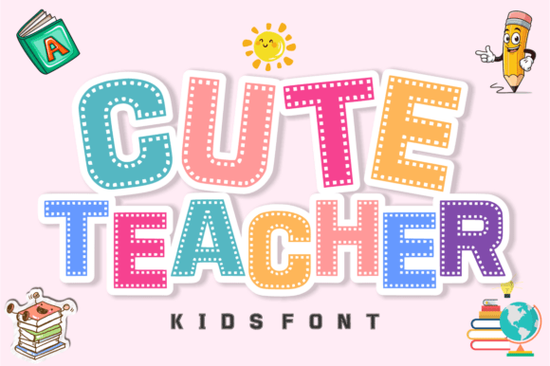
If you’re looking for a font that feels like a cheerful classroom on a sunny Monday morning, Cute Teacher might be exactly what your next project needs. It’s not just another display font it’s designed with educators, crafters, and anyone creating kid-friendly content in mind. The playful filmstrip or “stitch” pattern around each letter gives it personality without sacrificing readability, which is rare in fonts this whimsical.
Whether you’re making bulletin boards, printable worksheets, birthday invitations, or even Cricut-cut T-shirts for teacher appreciation week, this font brings warmth and clarity. Its bold outlines and bright, multi-colored style make it stand out especially when paired with school-themed icons like pencils, apples, or globes. And yes, it works beautifully in primary colors.
What kinds of projects does Cute Teacher work best for?
This font was built for real-world use, not just pretty mockups. Here’s where it shines:
- Classroom decor – Think door signs, name tags, reward charts, and wall art that actually holds kids’ attention.
- Educational printables – Flashcards, alphabet posters, storybook covers, and digital learning apps benefit from its clear, friendly structure.
- Crafting and POD – Use it on mugs, tote bags, stickers, or iron-on designs for teachers who love their job (or need a little humor to get through the day).
- Kids’ events – Birthday party banners, classroom celebration posters, or end-of-year gift tags feel instantly more joyful.
It’s also surprisingly versatile. While it leans toward elementary school vibes, you can tone it down with softer backgrounds or pair it with a clean sans-serif like Welcome for balance. If you’re designing something seasonal, try layering it with Halloween fonts for October or Varsity College Sporty Bundle for back-to-school spirit weeks.
Is it easy to read for young children?
Yes and that’s one of its strongest features. Many playful fonts sacrifice legibility for charm, but Cute Teacher keeps thick, outlined letters that hold up even at smaller sizes. The spacing between characters is generous, and the shapes are familiar enough that early readers won’t get tripped up. You can confidently use it in nursery rooms, preschool materials, or kindergarten welcome packets.
For extra accessibility, avoid using all-caps for long sentences. Stick to title case or sentence case when labeling things like activity stations or behavior charts. Pair it with simple icons or illustrations to reinforce meaning like a sun next to “Good Morning!” or a pencil beside “Writing Time.”
How does it compare to other kid-friendly fonts?
Fonts like Brother Children have a similar audience but lean more into hand-drawn, crayon-style textures. Cute Teacher feels more polished still fun, but structured enough for professional educational materials. Meanwhile, Roadster Customs brings a retro vibe that doesn’t fit classroom themes as naturally.
If you already own fonts geared toward kids or schools, this one fills a specific niche: the “organized chaos” of a lovingly decorated classroom. It’s not messy, not too sweet, and not corporate just right for handmade-looking designs that still need to function in real learning environments.
Any tips for pairing it with other design elements?
Absolutely. Since the font already has visual texture (thanks to those stitch-like borders), keep your backgrounds simple. Solid pastels, chalkboard textures, or soft gradients work better than busy patterns.
Try these combos:
- Use Cute Teacher for headlines, then switch to a clean sans-serif like Nunito or Quicksand for body text.
- Add clipart of school supplies think rulers, scissors, or backpacks to frame your text blocks.
- For digital projects, animate the letters slightly (like a gentle bounce) to enhance the playful mood without distracting learners.
You can find Cute Teacher on Creative Fabrica, where it’s part of their growing collection of educator-focused fonts and graphics.
Quick checklist before you start designing
- Test readability – Print a sample at the size you’ll actually use it. Can a 5-year-old recognize the letters?
- Check color contrast – Even though it’s multi-colored, ensure the background doesn’t clash or wash out the details.
- Pair thoughtfully – Don’t overload your design. One playful font + one neutral font = balanced energy.
- Export correctly – If using for print-on-demand, outline the text or embed the font to avoid substitution issues.
Start small maybe a single door sign or a set of flashcards and see how students, parents, or customers respond. Chances are, they’ll smile before they even read the words.
Try It Free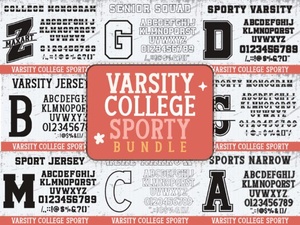 Craft a Sporty Look with Varsity College Font Bundles
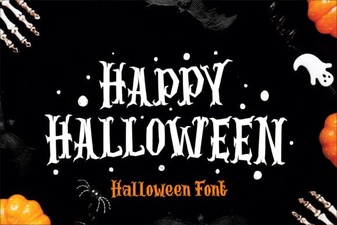 Creative Halloween Fonts for Your Spooky Projects
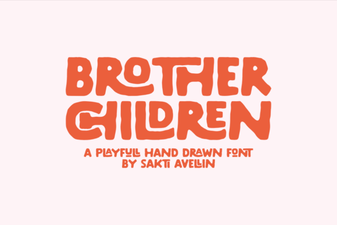 Brother Font Styles for Creative Kids Projects
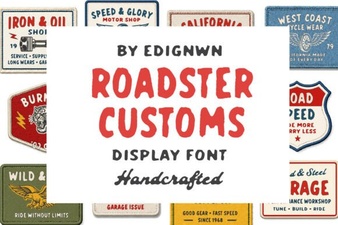 Roadster Font: a Classic Revival for Modern Design
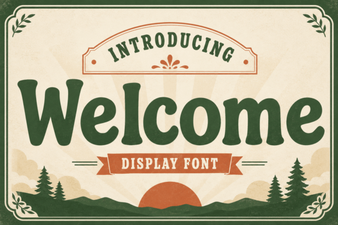 Welcome Font Styles for Creative Web Designs
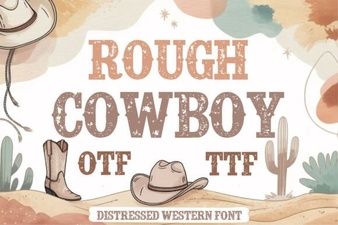 Rough Cowboy Fonts: Design Inspiration & Uses